


Website by CWS
What Are the 5 Senses of Autism?
March 13, 2026
Autism spectrum disorder (ASD) often involves differences in how the five senses, sight, sound, touch, taste, and smell, are experienced. These sensory differences can range from heightened sensitivity to reduced responsiveness. For example, bright lights or loud noises may feel overwhelming, while certain textures or tastes may be avoided or intensely preferred.
Sensory processing challenges are not the same for every individual with autism. Some may find comfort in repetitive sounds or visual patterns, while others may struggle with crowded environments or strong odors. Understanding these sensory differences helps families, educators, and professionals create supportive settings that reduce stress and encourage learning.
Recognizing the role of the five senses in autism is key to building effective intervention strategies. By tailoring environments and therapies to each child’s unique sensory profile, families can foster growth, independence, and confidence.
At Divine Steps ABA, we are serving families, and we specialize in evidence-based ABA therapy in Maryland, Virginia, and North Carolina that addresses both behavioral and sensory needs. Our compassionate team helps children navigate sensory challenges while building essential life skills.
Learn how we can support your child’s journey toward progress and independence. Contact us today!
SOURCES:
https://www.autism.org.uk/advice-and-guidance/about-autism/sensory-processing
https://pmc.ncbi.nlm.nih.gov/articles/PMC3086654/
https://medium.com/@jackieschuld/how-autism-impacts-the-5-senses-42b375dec6e
https://lifespan.ku.edu/sensory-processing-and-autism
https://neurodivergentinsights.com/8-senses/?srsltid=AfmBOooIACAPJsEZnVeGoHKbJuz9bohGRUKFAilBmVECnx9u2e0a06_h
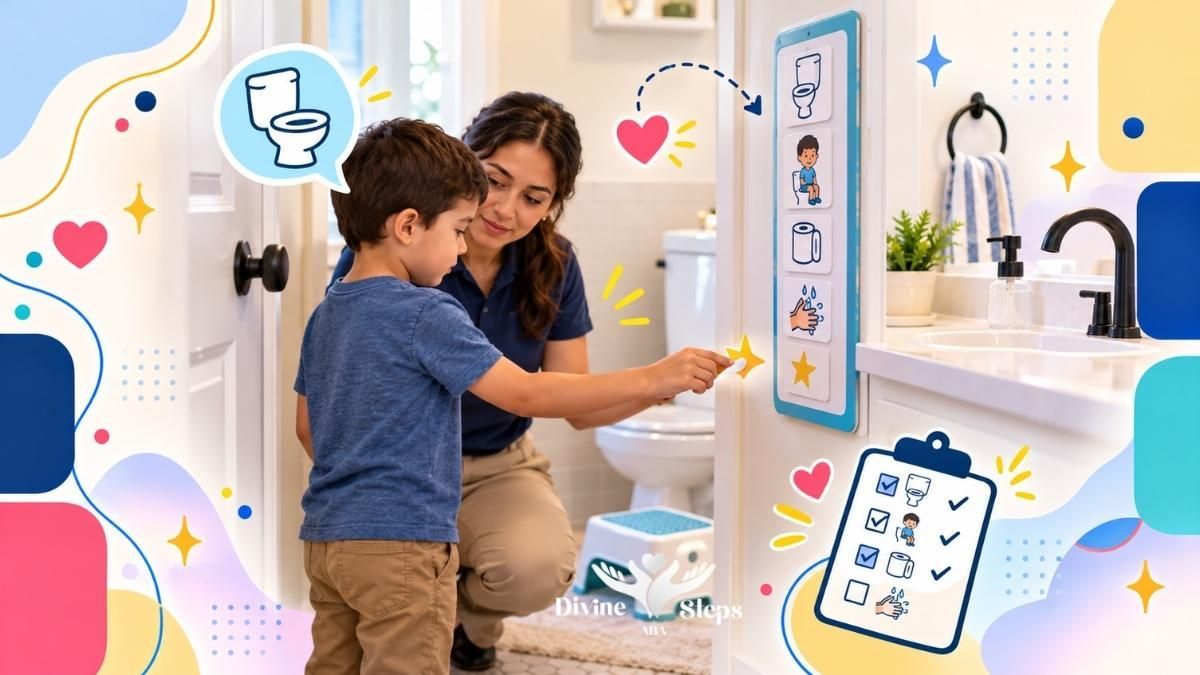
ABA potty training supports bathroom skills at your child's pace. Small goals and caregiver practice shape the routine.

What to do after an autism diagnosis starts with the report. See state programs, school rights, and ABA intake tips.

ABA therapy out-of-pocket cost depends on your care and plan. A worked example explains deductibles and coinsurance.