


Website by CWS
Can a Child Show Signs of Autism and Not Be Autistic?
September 26, 2025
Parents sometimes notice behaviors in their child that resemble autism and wonder if it automatically means an autism diagnosis. The truth is that a child can show certain signs of autism without actually being autistic. Autism spectrum disorder (ASD) is a complex condition diagnosed based on a combination of developmental, social, and behavioral patterns—not on one or two isolated behaviors.
For example, a child might have speech delays, avoid eye contact, or display repetitive behaviors. While these can be associated with autism, they may also appear in children with other developmental conditions, such as ADHD, language disorders, or anxiety. Even temporary factors, like shyness or stress, can cause behaviors that look “autistic” but are not.
This is why professional assessment is so important. A thorough evaluation considers the child’s history, strengths, and challenges across multiple settings. Early identification helps families access the right support—whether the child has autism or another developmental difference.
At Divine Steps ABA, we provide guidance and evidence-based therapy to help children grow, regardless of diagnosis. Our goal is to support every child’s unique journey toward learning, communication, and independence.
Frequently Asked Questions
Can children show autism-like behaviors without having autism?
Yes, some children may show developmental delays or behaviors similar to autism but not meet the criteria for an autism diagnosis.
What other conditions can look like autism?
Language delays, ADHD, sensory processing differences, and anxiety can sometimes overlap with autism-like traits.
How can parents know if their child has autism or not?
A comprehensive evaluation by specialists, such as developmental pediatricians or psychologists, is needed to determine whether a child is on the spectrum.
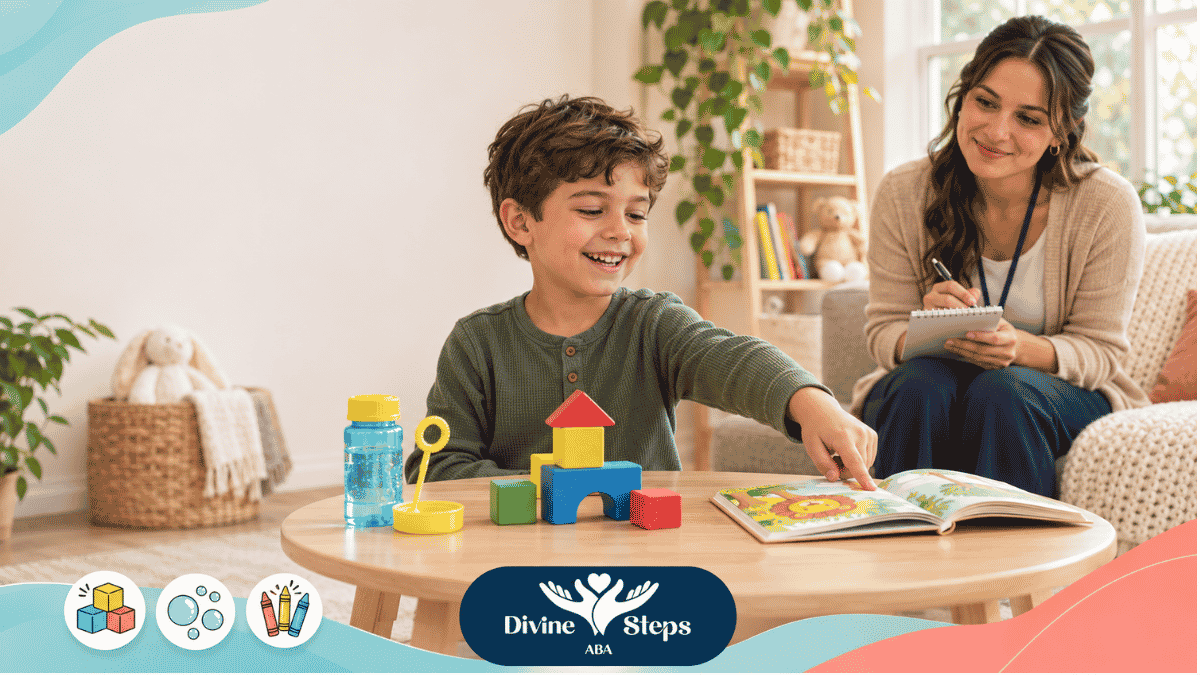
A preference assessment in ABA helps identify a child’s interests. Parent observations add context to the findings.
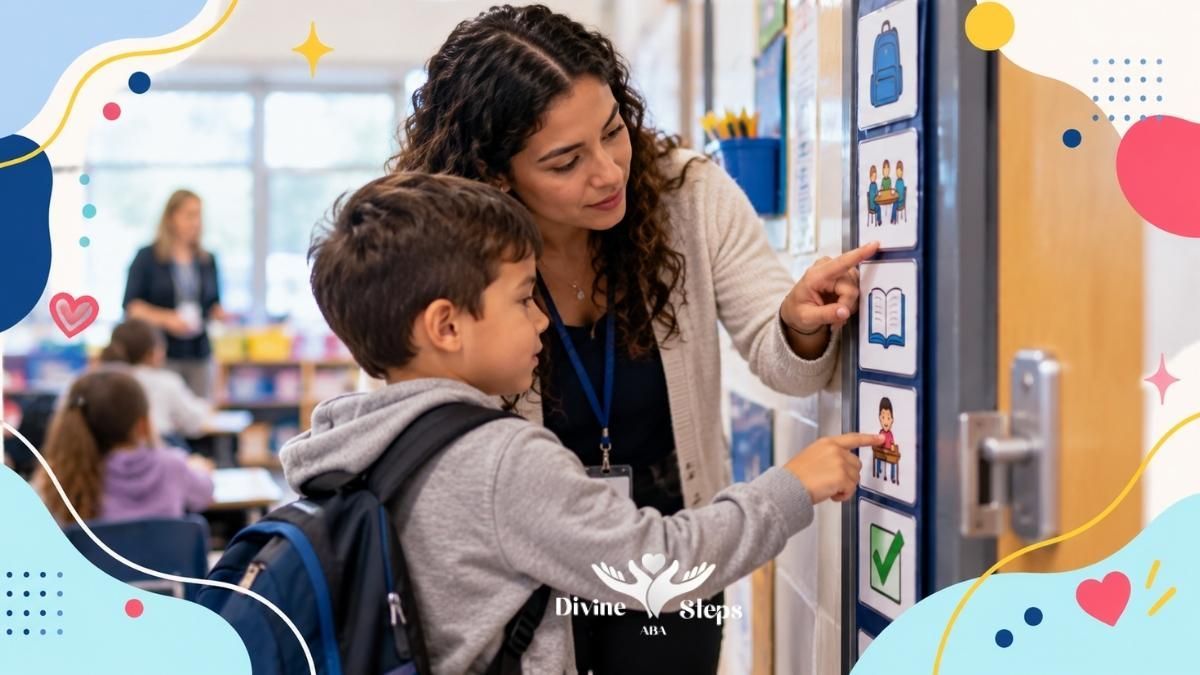
Private ABA in schools needs permission and coverage checks. See what Maryland families should confirm before sessions.
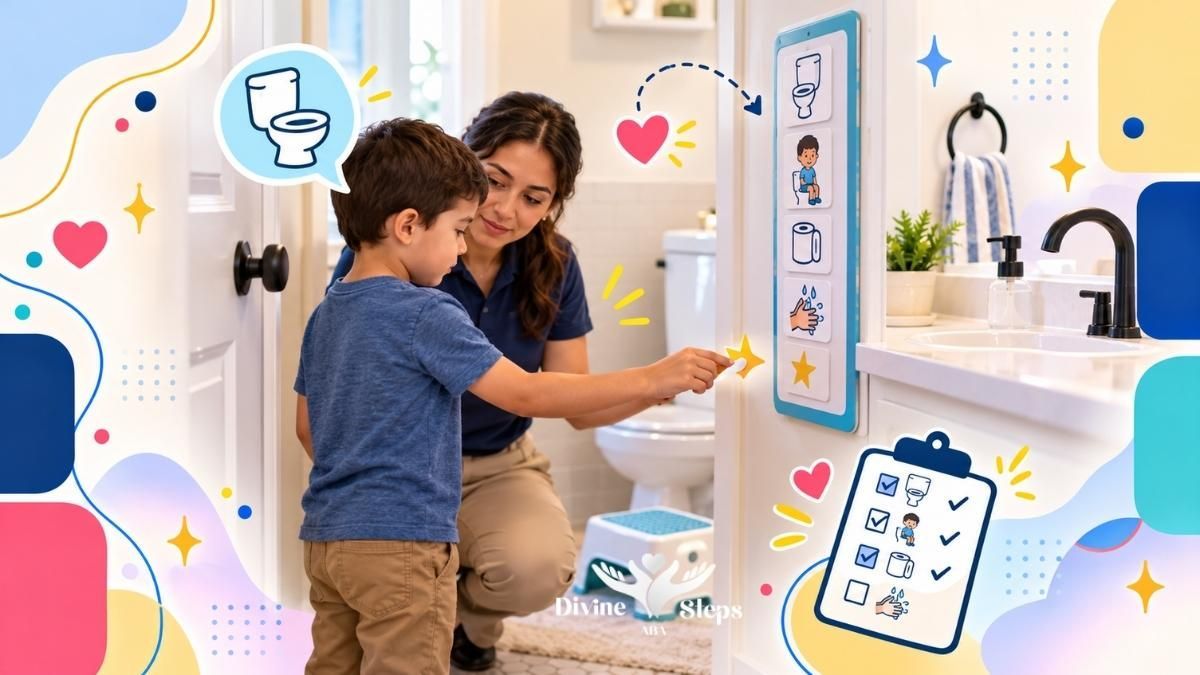
ABA potty training supports bathroom skills at your child's pace. Small goals and caregiver practice shape the routine.