


Website by CWS
What is "Scripting" and Why Do Autistic People Do It?
December 18, 2025
Scripting is repeating memorized phrases from movies, TV, books, or conversations; autistic people do it for communication, anxiety relief, and sensory regulation.
What is "Scripting" and Why Do Autistic People Do It?
It includes echolalia—immediate or delayed repeats—and helps express emotions when spontaneous speech falters. Scripts provide predictability in social settings.
Up to 75% of verbal autistic children use scripting daily, aiding language development per ABA data. At Divine Steps ABA, a client reduced isolation by scripting greetings, boosting peer interactions 50% in sessions.
Key Reasons
- Social navigation.
- Emotional expression.
- Self-soothing.
Divine Steps ABA in Maryland, Virginia, North Carolina harnesses scripting for growth. Bridge gaps—contact us for insights.
FAQs
Scripting types?
Echolalia, monologuing.
Prevalence?
75% verbal kids.
Main purpose?
Predictable interaction.
Sources:
- https://autismhub.education.qld.gov.au/resources/functional-behaviour-assessment-tool/help/scripting
- https://my.clevelandclinic.org/health/symptoms/echolalia
- https://upbility.net/blogs/news/essential-insights-on-scripting-in-autism-for-parents-and-caregivers

See how ABA therapy for school readiness builds classroom skills and independence. Learn what progress can look like.

Families can confirm Aetna ABA therapy coverage in Maryland before care starts. Seven checks show what to verify.
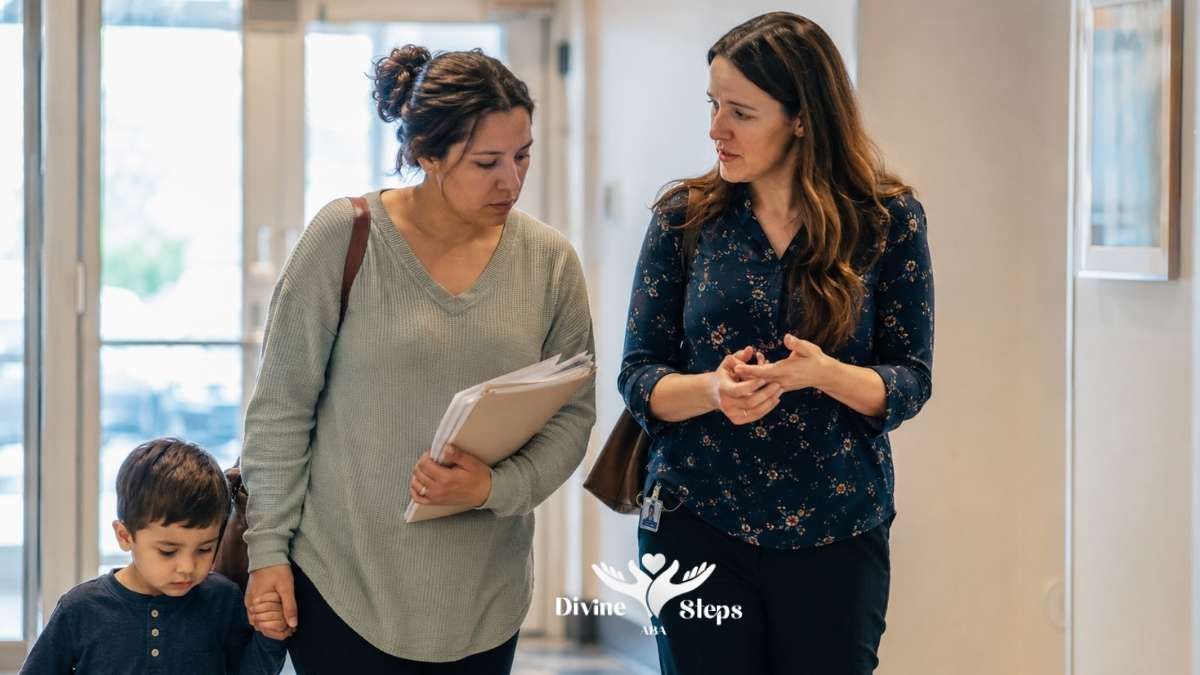
What to do after an autism diagnosis includes reviewing the report, calling insurance, and starting ABA and school referrals. Contact Divine Steps.