


Website by CWS
How to Start Training Kids with Autism to Sleep Alone
December 22, 2025
Sleepless nights can feel like an endless battle for parents of children with autism spectrum disorder. If you're struggling to help your child sleep independently, know that you are not alone. This guide offers practical, actionable solutions designed to make the child sleep process smoother. Say goodbye to exhausting nights and hello to a more rested household. Let's explore these tips together and empower you with the tools to make the bedtime routine a breeze for both you and your child.
Understanding Sleep Challenges in Kids with Autism
Many parents find that their autistic child faces significant sleep difficulties. Children with autism spectrum disorder often process the world differently, which can extend to their sleep habits. These challenges can range from trouble falling asleep to waking frequently throughout the night.
Understanding the root of these issues is the first step toward finding effective solutions. By recognizing why your child struggles, you can better tailor your approach to meet their specific needs. The following sections explore the common hurdles and why independent sleep is so important.
Common Sleep Issues for Children on the Autism Spectrum
Children on the autism spectrum often experience trouble sleeping, which can impact their total hours of sleep and overall well-being. These issues may include difficulty winding down, resisting bedtime, waking up multiple times, or waking up very early in the morning. These disrupted sleep habits can be exhausting for the entire family.
A significant factor contributing to these problems is sensory issues. How do sensory issues affect sleep training for kids with autism? A child who is hypersensitive to sound might be disturbed by the quietest household noises. Likewise, a sensitivity to touch can make certain pajamas or bedding feel uncomfortable, while sensitivity to light can make it hard to sleep even in a dimly lit room.
These sensory sensitivities can make it extremely difficult for a child to relax and feel secure enough to fall asleep. Addressing these specific sensory needs is a critical part of improving child sleep outcomes and making the training process successful.
Why Sleeping Alone Is Often Difficult for Kids with Autism
The transition to sleeping in their own room can be particularly challenging for children with autism. Many experience heightened anxiety, especially around separation and being alone in the dark. This anxiety can cause them to resist bedtime or seek a parent’s comfort if they wake up in the middle of the night.
Difficulties with transitions, a common trait in autism, also play a role. A consistent sleep routine is comforting, but the final step—being left alone—can feel like an abrupt and unsettling change. This can disrupt the entire routine and lead to resistance.
Furthermore, sensory issues can make a child's bedroom feel overwhelming or uncomfortable. Strange shadows, the hum of an appliance, or the feel of a blanket can all be sources of distress. These factors combine to make sleeping alone a source of fear rather than a peaceful experience.
The Importance of Independent Sleep for Children with ASD
Achieving independent sleep is a major milestone that offers numerous benefits for children with ASD. Good quality child sleep is essential for a child’s growth, learning, and emotional regulation. When a child can fall asleep and stay asleep on their own, they are more likely to get the restorative rest they need for better sleep.
What age can you start training a child with autism to sleep alone? There is no single "right" age; it depends on your child's individual readiness and your family's circumstances. The strategies discussed here can be adapted for both younger and older children who are facing sleep difficulties. The key is to start when you feel your child is ready to begin the process.
For the child, learning to sleep alone builds confidence and independence. For parents, it provides a much-needed opportunity to rest and recharge. This transition supports the well-being of the entire family and helps establish healthy, lifelong sleep habits.
Preparing to Help Your Child Sleep Alone
Before you begin sleep training, taking time to prepare can make all the difference. Addressing your child’s sleep problems starts with understanding their unique needs and preparing their sleep space to be a sanctuary of comfort and calm.
This preparation phase involves creating a safe sleep environment that feels secure and inviting. By anticipating challenges and gathering the right tools, you can set the stage for a smoother, more successful transition to independent sleep. Let's look at how to get everything ready.
Identifying Your Child’s Unique Sleep Needs and Preferences
Every child is different, and the first step in successful sleep training is understanding your child’s sleep needs. Pay close attention to their natural patterns. When do they start to seem tired? How much sleep do they need to feel rested and alert the next day? A simple form of behavior analysis, like keeping a sleep log, can reveal these patterns.
Observing your child also helps you identify their sleep preferences. Do they calm down with gentle music, or do they need complete silence? Do they prefer heavy blankets or light ones? Understanding what soothes them is crucial for creating a routine that works.
This information will help you determine the ideal bedtime and the specific calming activities that will be most effective for your child. Tailoring the approach to their individual needs makes it more likely that they will feel comfortable and secure in their own bed.
| Sensory Input | Strategy for a Calming Environment |
|---|---|
| Sight | Use blackout curtains and a dimmable, warm-toned nightlight. |
| Sound | Use a white noise machine to mask disruptive noises. |
| Touch | Choose soft, seamless pajamas and sensory-friendly bedding. |
| Smell | Consider a calming lavender scent, but only if your child enjoys it. |
Beginner’s Guide to Training Kids with Autism to Sleep Alone
Embarking on sleep training can feel daunting, but with a clear plan, it becomes much more manageable. This guide will walk you through the essential steps to help your child learn to sleep in their own bed. The process is about building positive sleep habits and confidence.
Success in improving your child sleep depends on consistency, patience, and the right tools. By setting realistic expectations and building a strong support system, you can navigate this journey effectively. The following sections provide the foundation you need to get started.
Essential Resources and Equipment You’ll Need
Having the right resources ready can make a world of difference in your sleep training journey. These tools are designed to make the bedtime routine clearer and the child’s room more comfortable. A key resource is a visual support, such as a picture schedule of the bedtime routine. This helps your child understand what to expect each step of the way.
Comfort and sensory regulation are also critical. Tools that promote a sense of calm can help your child settle down for the night. Think about what helps your child feel most secure.
Some popular and effective items include:
- A visual schedule or social story about sleeping alone
- A white noise machine to create a peaceful soundscape
- A weighted blanket to provide calming deep pressure
- Favorite comfort objects like a stuffed animal
- Blackout curtains to ensure the room is dark
Gathering these items beforehand ensures you have everything you need to create a consistent and soothing experience from the very first night.
Setting Realistic Expectations for Progress
When you begin sleep training, it’s important to set realistic expectations. Progress is rarely a straight line; there will be successful nights and challenging ones. Be prepared for some sleepless nights and potential setbacks. The goal is gradual improvement, not overnight perfection.
Celebrate all the small wins along the way. Did your child stay in their bed for five more minutes tonight? That’s a victory! Focusing on these achievements helps keep both you and your child motivated. Remember that each night is a new opportunity, and what didn't work last night might be easier the next night. Tracking sleep progress can help you see how far you've come.
But what should I do if my child resists sleeping alone despite all strategies? If you've been consistent and your child continues to struggle significantly, it may be time to consult a professional. Patience is vital, but don't hesitate to seek support if you feel stuck.
Building a Support System for Parents and Caregivers
You don't have to go through this process alone. Building a strong support system is essential for your own well-being. Make sure you and your partner are on the same page and can offer each other parents’ support, especially after a tough night. Involving the entire family ensures that the routine stays consistent.
Sometimes, you may need professional guidance. Your child's pediatrician or GP is a great starting point for discussing sleep challenges. They can rule out any underlying medical issues and offer advice.
For more specialized help, consider reaching out to a professional who has experience with autism, such as an ABA therapy provider. They can help you develop a tailored behavior plan to address specific sleep-related challenges and provide ongoing support as you implement it.
Gathering Comfort Items and Support Tools
Once you understand your child's preferences, you can gather comfort items and tools to support their transition to sleeping alone. These objects provide a sense of security and can help ease anxiety at bedtime. Let your child have a say in picking out something special, which can make them feel more in control.
These support tools can help create a calming atmosphere and address sensory needs. For instance, a white noise machine can block out startling household sounds, while a weighted blanket can provide soothing deep pressure.
Consider introducing items like:
- A favorite stuffed animal or a soft blanket
- A nightlight with a soft, warm glow
- Sensory-friendly bedding that feels good against their skin
- A white noise machine for consistent, calming sound
- A weighted blanket for a comforting, secure feeling
These items can become positive sleep associations, signaling to your child that it's time to relax and rest. Having them on hand before you begin will make the process much smoother.
Creating a Safe and Sensory-Friendly Sleep Environment
A child’s room should be a haven for sleep, but for a child with sensory issues, it can be full of disruptions. Creating a sensory-friendly sleep environment is key to helping them relax. Start by minimizing distractions. Remove electronic devices, noisy toys, and anything that might overstimulate them.
The goal is to make the room cool, dark, and quiet. Blackout curtains are excellent for blocking out light, which can interfere with the body's natural sleep signals. Soft, sensory-friendly bedding can also make a huge difference in their comfort level.
Think about all five senses when designing the sleep environment. The table below offers a few ideas for making your child’s room more conducive to sleep.
Step-by-Step Process to Help Kids with Autism Sleep Alone
Now that you're prepared, it's time to put the plan into action. The following steps will guide you through creating a consistent bedtime routine and implementing effective strategies to help your child learn to sleep alone. These sleep strategies are designed to be gentle and build confidence over time.
Each step builds on the last, creating a predictable structure that can reduce anxiety around sleep time. By following this process, you can help your child develop the skills and security they need to sleep soundly on their own.
Step 1: Establish a Consistent Bedtime Routine
The foundation of good sleep habits is a consistent bedtime routine. A regular bedtime routine signals to your child’s brain and body that it’s time to wind down. Start the routine at the same time every night, even on weekends, to reinforce this pattern. Consistency is your most powerful tool.
The routine should consist of a sequence of calming activities. This could include a warm bath, putting on pajamas, brushing teeth, and reading a quiet story. Avoid stimulating activities like watching TV or energetic physical activity in the hour before bed, as these can make it harder to settle.
Keep the routine predictable and positive. Praise your child for completing each step. Over time, this predictable sequence will become a source of comfort and security, making the transition to sleep much smoother and helping to build healthy, lasting sleep habits.
Step 2: Use Visual Schedules and Social Stories
Visual support tools are incredibly effective for children with autism because they make abstract concepts like a "sleep routine" concrete and easy to follow. Visual schedules, which use pictures or words to outline the steps of the bedtime routine, can reduce anxiety by showing your child exactly what is coming next.
This strategy is helpful for younger and older children alike. A social story can also be used to explain what sleeping in their own bed will be like, addressing potential fears and highlighting the positive aspects. You can combine this with a reward chart to motivate your child for successfully completing each step.
A simple visual schedule for bedtime might include pictures for:
- Taking a bath
- Putting on pajamas
- Brushing teeth
- Reading a book
- Hugging goodnight and lights out
This clear, visual guide empowers your child to follow the routine more independently and with less resistance.
Step 3: Gradually Introduce Sleeping Alone with the Retreat Method
For a child who is used to a parent being present as they fall asleep, the "retreat method" is a gentle way to foster independent sleep. Instead of leaving the room abruptly, you gradually increase the distance between you and your child over several nights. This approach helps build their confidence without causing distress.
Start by sitting on the edge of the bed until your child falls asleep. After a few nights, move to a chair next to the bed. Continue this process, moving the chair closer to the door each next night or every few nights, until you are eventually sitting just outside the room.
This gradual retreat helps ease separation anxiety and teaches your child that they are safe even when you are not right beside them. It's a key strategy for overcoming sleep difficulties and improving child sleep patterns in a supportive way.
Step 4: Incorporate Comfort Objects and Relaxation Techniques
Comfort items play a vital role in helping a child feel secure when sleeping alone. A favorite stuffed animal, a special blanket, or even one of your old t-shirts can provide a tangible sense of your presence and comfort. Encourage your child to hug their comfort object if they feel scared during the night.
Incorporate relaxation techniques into the bedtime routine to help calm their mind and body. A warm bath before putting on pajamas is a classic way to relax muscles. You can also try playing soft, gentle music or guiding your child through simple deep-breathing exercises.
These techniques, combined with familiar comfort items, create powerful positive associations with sleep time. They help shift bedtime from a source of anxiety to a period of peaceful relaxation, making it easier for your child to drift off to sleep on their own.
Step 5: Address Nighttime Fears and Offer Reassurance
It's common for children to have bedtime fears, and it's important to address them with empathy and reassurance. Brushing off their fears can make them feel unheard and increase their anxiety. Instead, listen to their concerns and validate their feelings, letting them know that it's okay to feel scared sometimes.
Offer calm and confident reassurance that they are safe in their own room. You can take practical steps to make the room feel safer, which can help ease these sleep problems.
Some simple strategies include:
- Using a nightlight to keep the room from being completely dark.
- Doing a "room check" together to show them there are no monsters under the bed or in the closet.
- Reminding them that you are just in the next room and can hear them if they need you.
- Giving them a special "bravery" item, like a small flashlight.
By directly and gently addressing their fears, you empower your child to feel more secure and capable of handling the night on their own.
Tips for Success and Troubleshooting Common Challenges
As you implement these effective strategies, remember that flexibility and patience are your best friends. There will be bumps in the road, and troubleshooting common challenges is a normal part of the process. What works one week might need adjusting the next.
The goal is to find the best solution for your unique child and family. By staying positive and being willing to adapt your approach, you can navigate sleep difficulties and continue making progress toward better sleep habits for everyone.
Celebrating Small Wins and Staying Patient
Patience is perhaps the most important tool in your sleep-training toolkit. Helping a child with autism learn to sleep alone is a journey, not a race. There will be progress and there will be setbacks. Staying patient and supportive through it all is crucial for your child's success and your own sanity.
Implement a reward system to celebrate the small wins. This could be a sticker on a chart for each night spent in their own bed or praise for following the bedtime routine without fuss. These rewards reinforce positive behavior and keep your child motivated. Focusing on these small steps helps you see the sleep progress you're making, even on tough nights.
Don't get discouraged if you have a difficult night. Every night is a fresh start. Acknowledge the challenge, offer comfort, and try again the next night. Your consistent, loving approach is what will ultimately lead to success.
Adjusting Strategies Based on Your Child’s Responses
One of the most effective strategies is to be observant and flexible. Pay close attention to how your child responds to the changes in their sleep routine. This simple form of behavior analysis will tell you what’s working and what isn’t. Is a particular part of the routine causing stress? Is a certain comfort object more helpful than another?
Don’t be afraid to adjust your approach based on these observations. If the gradual retreat method is moving too quickly, slow it down. If a visual schedule is confusing, simplify it. The goal is to find what helps your child feel most secure.
Overcoming sleep challenges is often a process of trial and error. By being responsive to your child’s needs, you can fine-tune your strategies to be as effective as possible. This adaptability is key to achieving better sleep for your child and your family.
Conclusion
In conclusion, training kids with autism to sleep alone is a journey that requires patience, understanding, and the right strategies. By recognizing your child's unique needs and gradually introducing them to independent sleep, you can create a positive bedtime experience. Remember to celebrate small wins, adjust your techniques as needed, and maintain a supportive environment. Each step contributes to fostering not only their independence but also their confidence.
At Divine Steps Therapy, we help families build healthy bedtime routines that support comfort and independence. Serving Maryland, Virginia, and North Carolina, our team uses individualized ABA strategies to guide children with autism toward sleeping alone with gradual, structured steps that reduce anxiety and nighttime disruptions. We work closely with parents to create consistent plans that fit naturally into home life. Contact Divine Steps Therapy today to learn how our supportive approach can help your child develop confident, restful sleep habits.
Frequently Asked Questions
What age can you start training a child with autism to sleep alone?
There is no specific age to start sleep training a child with autism spectrum disorder. It depends more on the child's individual readiness and the family's situation. The key is to begin when you can consistently implement a bedtime routine and support your child through their sleep difficulties as they learn to sleep in their own bed.
How do sensory issues affect sleep training for kids with autism?
Sensory issues can make an autistic child feel overstimulated or uncomfortable at sleep time. Hypersensitivity to light, sound, or touch can disrupt sleep habits and make the sleep environment feel stressful. Addressing these sensitivities by creating a calm, sensory-friendly space is crucial for successful sleep training.
Are weighted blankets or sleep aids helpful for children with ASD?
Yes, many parents find sleep aids very helpful. A weighted blanket can provide calming deep pressure, while sensory-friendly bedding can increase comfort. These tools can help an autistic child feel more secure and relaxed, leading to better sleep. Always ensure any sleep aid is used safely and according to guidelines.
What should I do if my child resists sleeping alone despite all strategies?
If significant sleep difficulties persist despite consistent efforts with the sleep routine, stay patient. Re-evaluate your strategies and be prepared for some sleepless nights. Consider seeking professional guidance from your GP or an ABA therapy provider to develop a more individualized plan to address the resistance.
Sources
- https://pmc.ncbi.nlm.nih.gov/articles/PMC9630805/
- https://children.nhslothian.scot/wp-content/uploads/2022/11/Sound-sensitivity-in-children.pdf
- https://pmc.ncbi.nlm.nih.gov/articles/PMC3086654/
- https://pmc.ncbi.nlm.nih.gov/articles/PMC3818449/
- https://neurodivergentinsights.com/sleep-supports/?srsltid=AfmBOooy1wWwmQgfVDaHmBQSMxf7dZZiZ0jBemZ5wXtGi-2ymyxpOSvh
- https://www.autismparentingmagazine.com/benefits-of-autism-visual-supports/
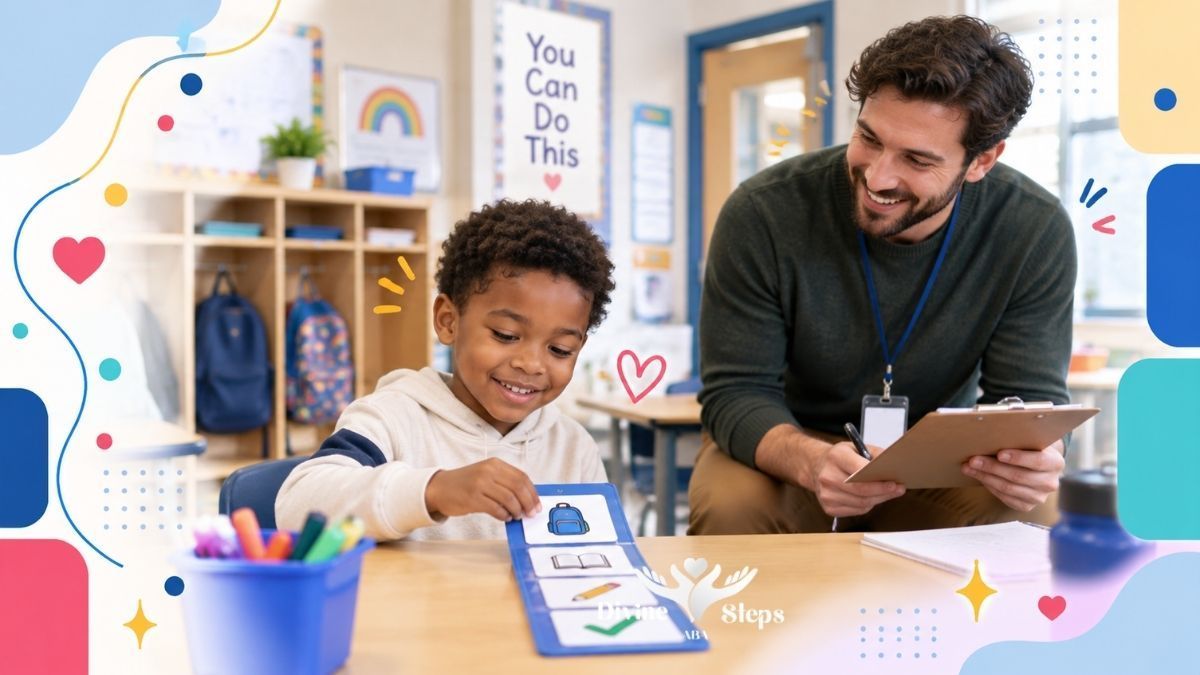
See how school-based ABA therapy in Maryland supports learning, transitions, and social skills. Explore a typical day.
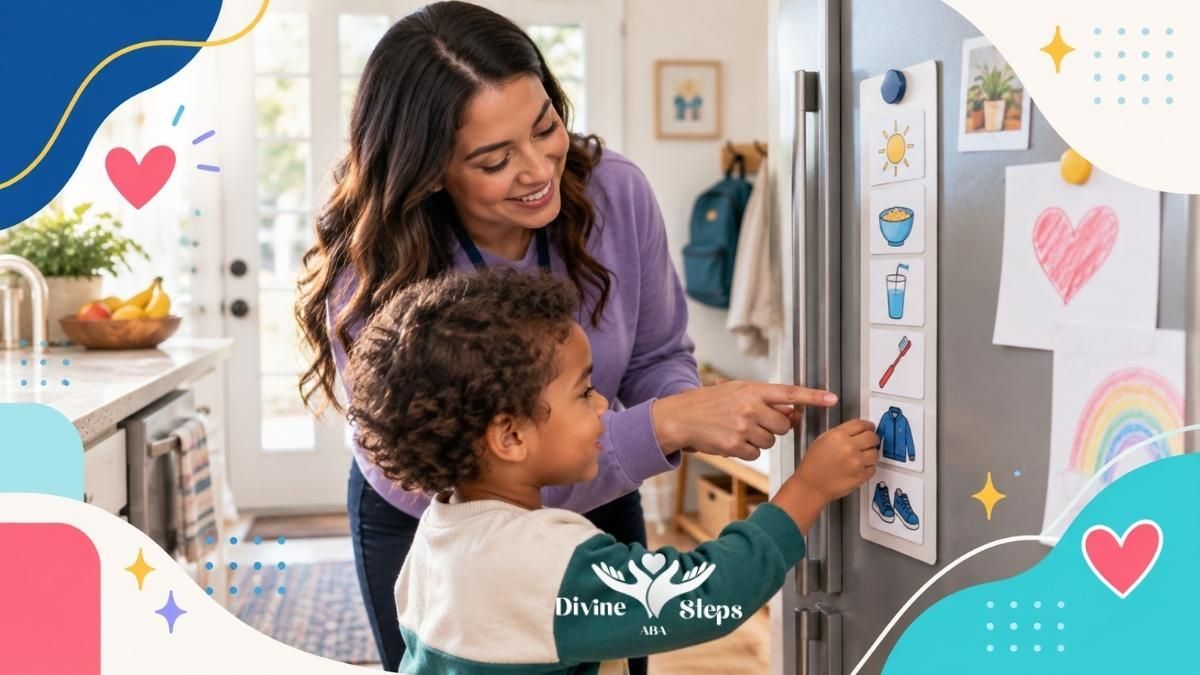
Parents learn what to expect from in-home ABA therapy. Real session routines, parent roles, and updates are covered.
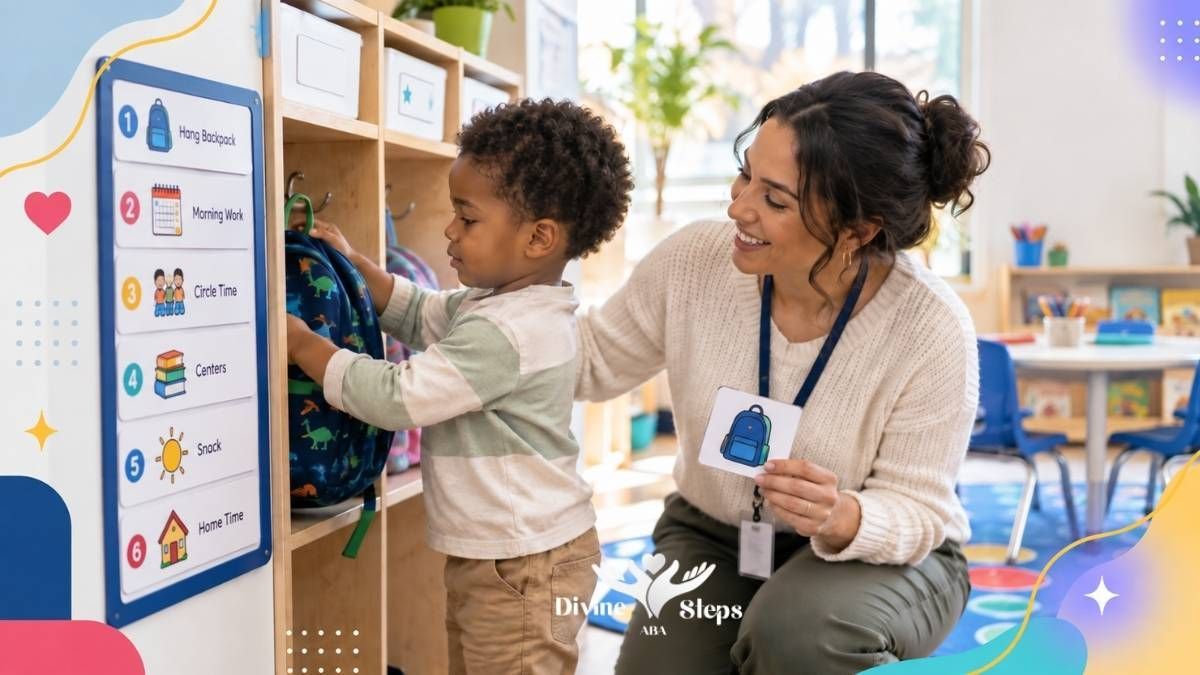
See how ABA therapy for school readiness builds classroom skills and independence. Learn what progress can look like.