


Website by CWS
What Does ABA Therapy Look Like for a 2-Year-Old?
July 2, 2025
If you’re wondering, what does ABA therapy look like for a 2 year old? it often resembles playtime—but with a purpose. ABA therapy for toddlers is tailored to your child’s unique needs, using fun activities like games, songs, and puzzles to build communication, social, and daily living skills in a natural, engaging way.
Sessions usually last 1 to 3 hours and take place one-on-one with a trained therapist, either at home, in a clinic, or sometimes in daycare. You might see simple games that teach turn-taking, eye contact, or following instructions. Snack time and routines like putting on shoes or cleaning up toys are used to encourage language and independence.
Therapists work closely with parents to include everyday tasks, ensuring skills learned during therapy transfer smoothly to daily life. The focus is on celebrating small wins—like saying a new word or asking for help—and building confidence step by step.
If you want to learn how ABA therapy can support your toddler’s growth, Divine Steps ABA in Florida is here to guide you. Contact us today to schedule a consultation and begin your child’s journey toward meaningful progress.
FAQs
How long are ABA sessions for 2-year-olds?
Sessions typically last 1–3 hours, depending on the child’s comfort and needs.
Where does ABA therapy take place?
Therapy can happen at home, in clinics, or daycare settings.
What skills does ABA therapy focus on for toddlers?
Communication, social interaction, daily living skills, and independence.
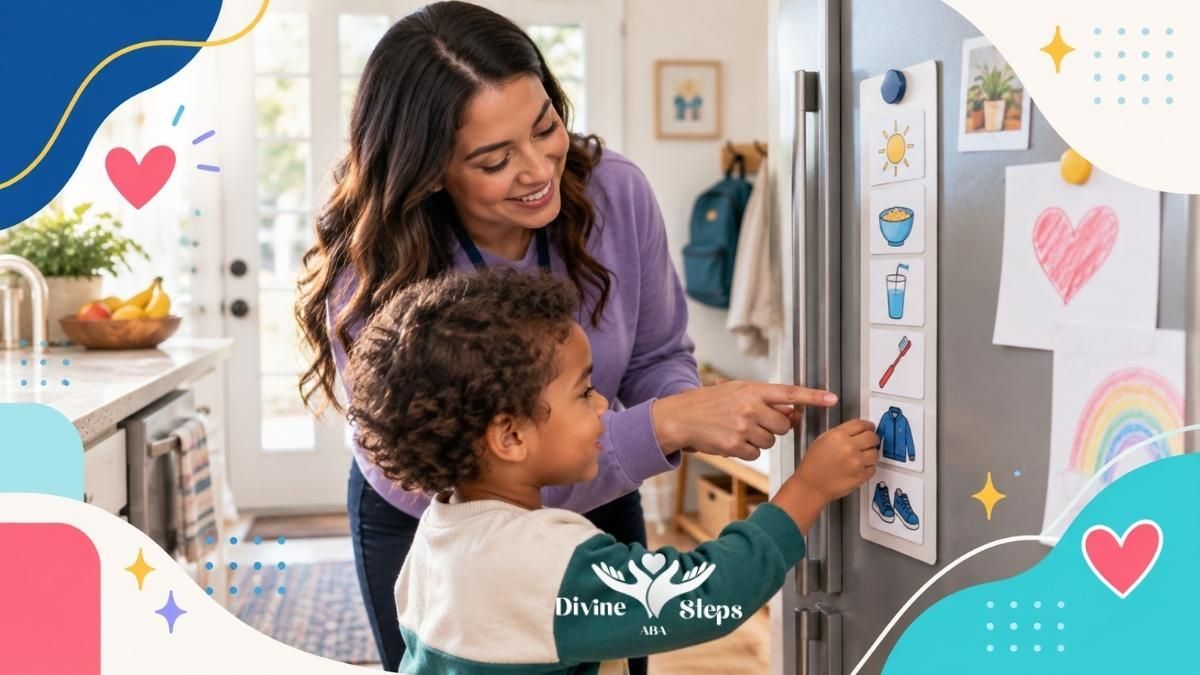
Parents learn what to expect from in-home ABA therapy. Real session routines, parent roles, and updates are covered.
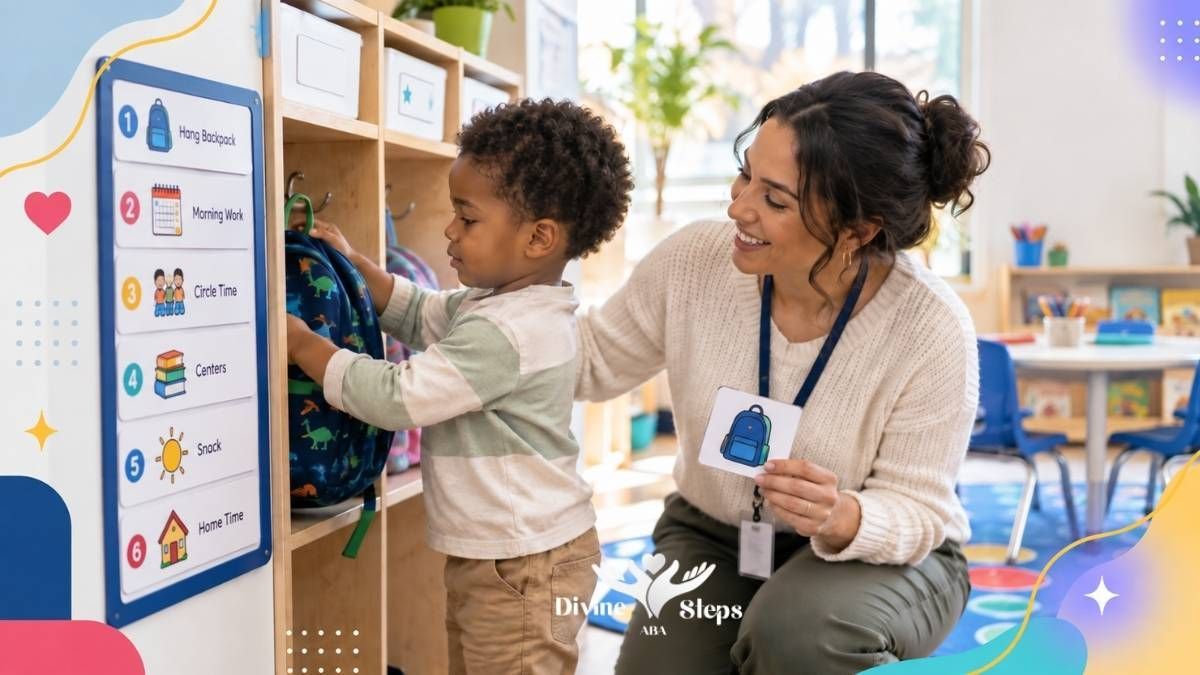
See how ABA therapy for school readiness builds classroom skills and independence. Learn what progress can look like.

Families can confirm Aetna ABA therapy coverage in Maryland before care starts. Seven checks show what to verify.