


Website by CWS
What to Do After an Autism Diagnosis for Your Child
October 12, 2026
Key Points:
- Deciding what to do after an autism diagnosis depends on the child’s age and the needs identified during evaluation.
- Maryland and Virginia offer early intervention programs for eligible children under 3, while school evaluation rights extend to older children.
- Private ABA has a separate assessment and insurance process, and a diagnosis does not automatically establish school eligibility or therapy coverage.
Knowing what to do after an autism diagnosis starts with reviewing the evaluation report, talking with your child’s doctor, and contacting services that address your child’s needs.
A diagnosis may bring relief, worry, or several feelings at once. Your child is still the same person you know and love. The report adds information about how they communicate, learn, and experience daily life.
Families in Maryland and Virginia can use the steps below to explore support. Every appointment does not need to happen in the same week.
What Should Parents Do First After an Autism Diagnosis?
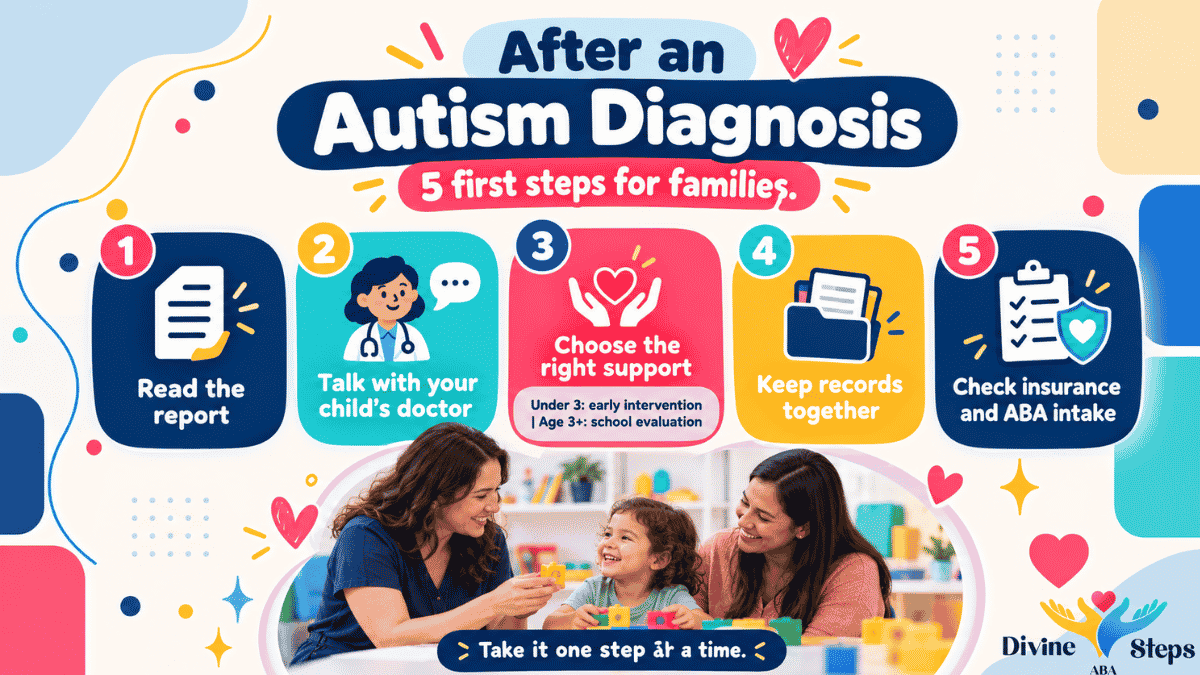
The first steps after an autism evaluation involve getting the written report and understanding its recommendations. The American Academy of Pediatrics recommends keeping a copy and reviewing it with your child’s pediatrician.
Review the Evaluation Report
The report describes the findings behind the diagnosis and may recommend services or further assessments. Unfamiliar terms deserve an explanation in everyday language.
A few questions can help:
- Which needs should we address first?
- What does each recommended service help with?
- Does my child need a referral?
- Who should receive a copy of the report?
Your observations also help professionals understand daily challenges. For example, your child may ask for help at home but have difficulty doing so at daycare.
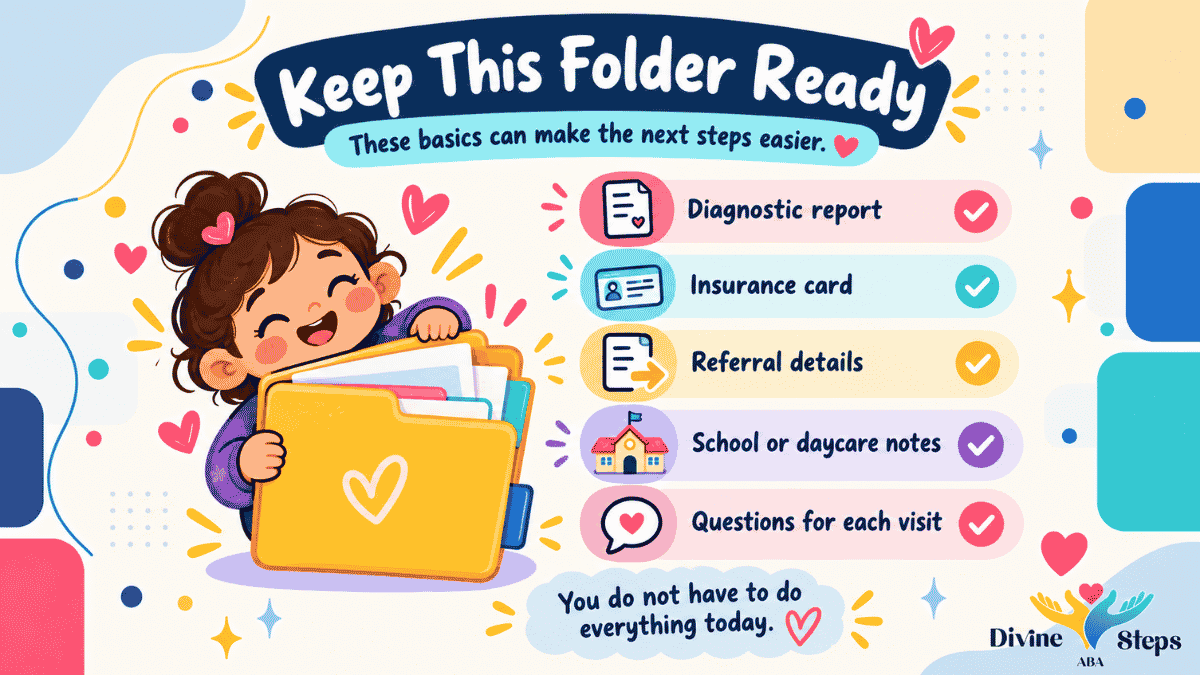
Keep Records Together
A paper folder or digital folder can hold the diagnostic report, insurance information, referrals, school records, and appointment notes. A contact list helps you track whom you have called and what each office needs next.
Which Autism Support Services May Help After Diagnosis?
Support should address your child’s needs. Recommendations may include communication support, help with daily activities, or services that support learning.
| Your child’s current need | Support families may explore |
|---|---|
| Difficulty expressing needs or understanding language | Speech therapy or other communication support |
| Difficulty with dressing, feeding, or everyday activities | Occupational therapy |
| Support with communication, daily routines, or safety skills | Applied Behavior Analysis (ABA) therapy |
| Difficulty participating in classroom activities | School evaluation and educational services |
Speech therapy can support communication, while occupational therapy can help with self-care skills. Your child’s evaluation and each provider’s assessment help determine useful goals.
At Divine Steps Therapy, our in-home ABA therapy begins with understanding your child’s abilities, interests, and daily needs. Our Board Certified Behavior Analysts (BCBAs) develop individual plans, and our Registered Behavior Technicians (RBTs) provide home sessions. A possible goal might involve asking for help during play or learning the steps of getting dressed.
ABA is one support option. A diagnosis does not mean every child needs the same services or schedule.
How Can Maryland and Virginia Families Find Early Intervention?
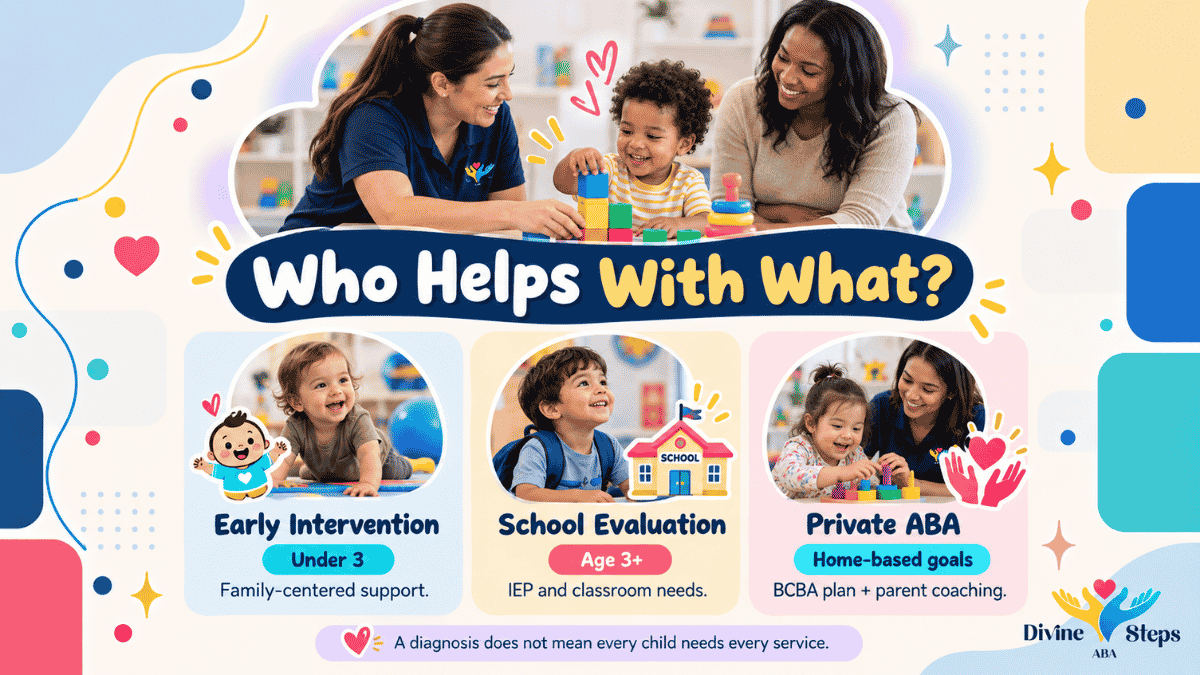
Both states have early intervention programs for eligible children younger than 3. Families can request an evaluation for developmental concerns without waiting for private therapy intake to finish.
Maryland Infants and Toddlers Program
Maryland parents can use the Infants and Toddlers referral system to submit a referral or find their local program’s contact information.
The local team contacts the family, discusses concerns, and arranges screening or evaluation to determine eligibility. Eligible children receive an Individualized Family Service Plan (IFSP), which describes goals and services developed with the family.
Infant & Toddler Connection of Virginia
Virginia families can contact the Infant & Toddler Connection’s local programs about an early intervention evaluation.
Services help eligible children participate in everyday activities and help caregivers support learning during those routines. For example, communication practice may happen during meals or play.
How Do You Request a School Evaluation?
Families with children age 3 or older can contact their local public school system’s special education office about an evaluation. The process can begin before kindergarten.
Under the Individuals with Disabilities Education Act (IDEA), Child Find requires states to identify and evaluate children who may need special education. These responsibilities continue beyond age 11. IDEA generally covers eligible children ages 3 through 21, with some age exceptions under state law.
An autism diagnosis does not automatically qualify a child for an Individualized Education Program (IEP). The school team evaluates whether the child meets eligibility requirements and needs special education. An IEP describes the educational services and supports the school will provide.
School Services and Private ABA Have Different Roles
School services address educational needs. Private ABA follows a clinical treatment plan. A child may receive school speech services while working on communication goals during home ABA sessions.
Our
school-based ABA support involves collaboration with teachers and school staff around classroom needs. Families exploring this option should check school access requirements and insurance coverage before arranging sessions.
What Should You Check With Insurance Before Private Therapy?
Coverage depends on the plan, recommended service, and provider. A diagnosis alone does not guarantee payment for every service.
Useful questions include:
- Does the plan cover the recommended therapy?
- Is the provider in the plan’s network?
- Does the plan require a referral or prior authorization?
- Which documents must the provider submit?
- What costs will the family pay?
Prior authorization means the insurer must review certain services before treatment begins. Approval requirements and family costs can differ between plans.
Our ABA insurance assistance includes working with insurers to check benefits and support the approval process. Families should review their specific coverage and costs before scheduling treatment.
What Happens When You Contact an ABA Provider?
Starting ABA therapy after diagnosis usually involves intake, insurance checks, an ABA assessment, and treatment planning. A diagnostic evaluation identifies autism. An ABA assessment examines skills and support needs to help develop therapy goals.
At Divine Steps Therapy, we provide ABA services for children up to age 11 in Maryland and Virginia. Our process includes:
- Initial contact: Our team learns about your child and the services you are seeking.
- Insurance assistance: We help with the insurance approval process.
- BCBA assessment: After the required approval, a BCBA meets with your child and develops an individual treatment plan.
- Therapy and family support: RBTs provide sessions, with parent training included in the care process.
Chani T., a Maryland parent, shared that our intake coordinator took time to explain ABA after her doctor recommended it. She appreciated that explanation because ABA was new to her and described the process as positive and supportive.
Parent Coaching Connects Goals With Home Life
Our ABA parent training includes one-on-one BCBA coaching and practice with your child. Caregivers can ask questions and learn how to support agreed-upon goals during daily activities.
For example, a BCBA might help a caregiver recognize and respond to a child’s request for help. Parent coaching supports everyday practice without requiring caregivers to take over the therapist’s role.
FAQs About What to Do After an Autism Diagnosis
Do I need to tell relatives about my child’s diagnosis?
Families can decide what to share with relatives. A practical explanation may help people who spend time with your child understand their needs. For example: “Loud gatherings can be uncomfortable for her. A quiet place for breaks helps.”
Can I request a second opinion?
Families can seek a second opinion about a diagnosis or care plan. The American Academy of Pediatrics recognizes this option. Another evaluator can review the original report and discuss questions that remain unanswered.
How can I help my child prepare for an assessment appointment?
A short explanation using familiar words or pictures can help your child know what to expect. A favorite toy, book, or comfort item may also help. The office can explain the appointment’s activities so you can describe them accurately.
Start Planning Your Child’s ABA Support
The next steps after an autism diagnosis should reflect your child’s age, daily needs, and evaluation findings. Public programs, school services, and private therapy can each play a role. Family time, play, and rest also deserve room in the schedule.
At Divine Steps Therapy, we help Maryland and Virginia families explore ABA services for children up to age 11. Our team can explain intake and insurance requirements, along with options for home sessions and parent coaching.
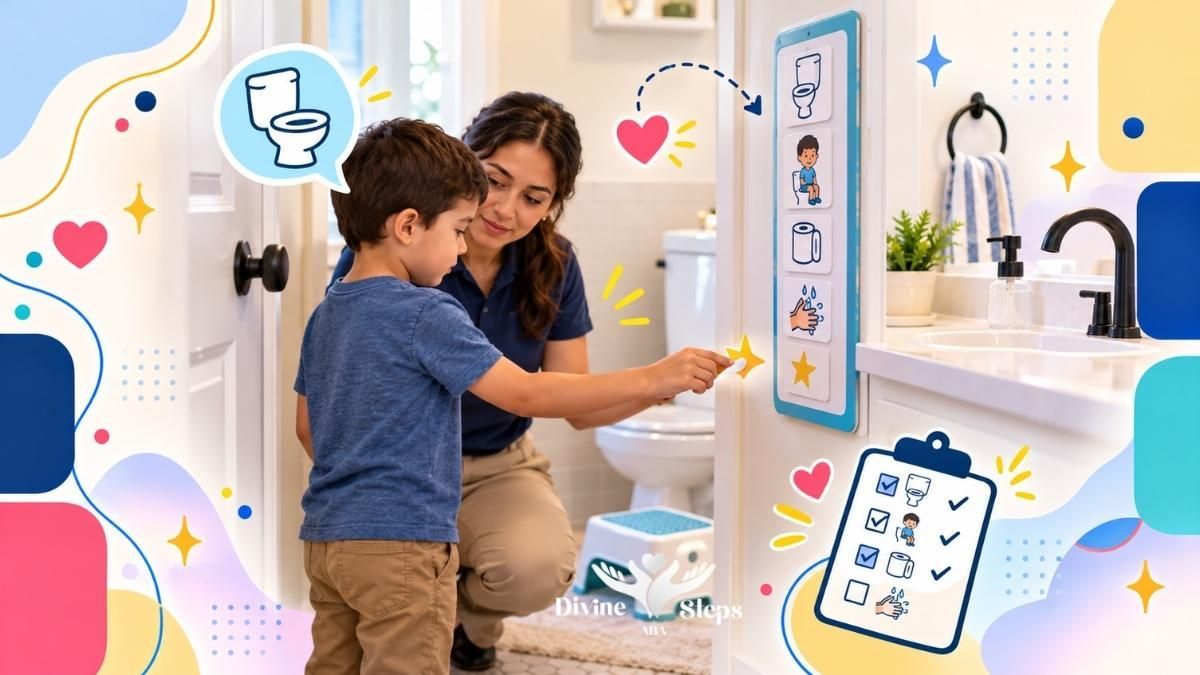
ABA potty training supports bathroom skills at your child's pace. Small goals and caregiver practice shape the routine.

ABA therapy out-of-pocket cost depends on your care and plan. A worked example explains deductibles and coinsurance.
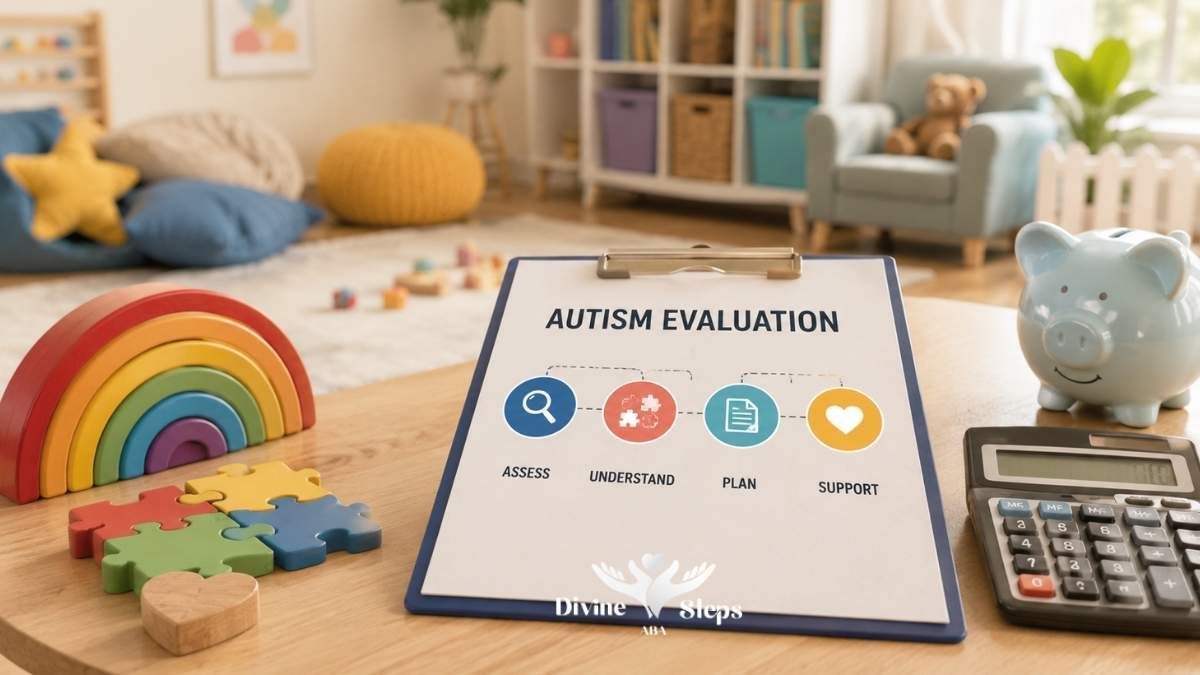
Autism evaluation cost in Virginia varies by provider and insurance. Compare published fees and lower-cost options.