


Website by CWS
What to Expect From In-Home ABA Therapy in Arlington, VA
September 27, 2026
Key Points:
- What to expect from in-home ABA therapy is a structured, play-based session built around a child’s goals and daily routines.
- An RBT may practice communication, transitions, independence, and social skills while tracking progress.
- Caregivers share updates, observe strategies, and receive a brief session recap.
Knowing what to expect from in-home ABA therapy can bring peace of mind as your family prepares for services. During a typical visit, a Registered Behavior Technician (RBT) comes directly to your home in Arlington and follows the goals set in your child's plan. The technician teaches through play, tracks daily progress, and shares helpful updates before leaving.
A session does not mean sitting at a table for hours. Favorite toys, snack times, and household routines become natural moments to practice communication skills. Preparing for
in-home ABA therapy in Arlington, VA becomes much easier when you know what each visit looks like.
What to Expect From In-Home ABA Therapy When We Arrive
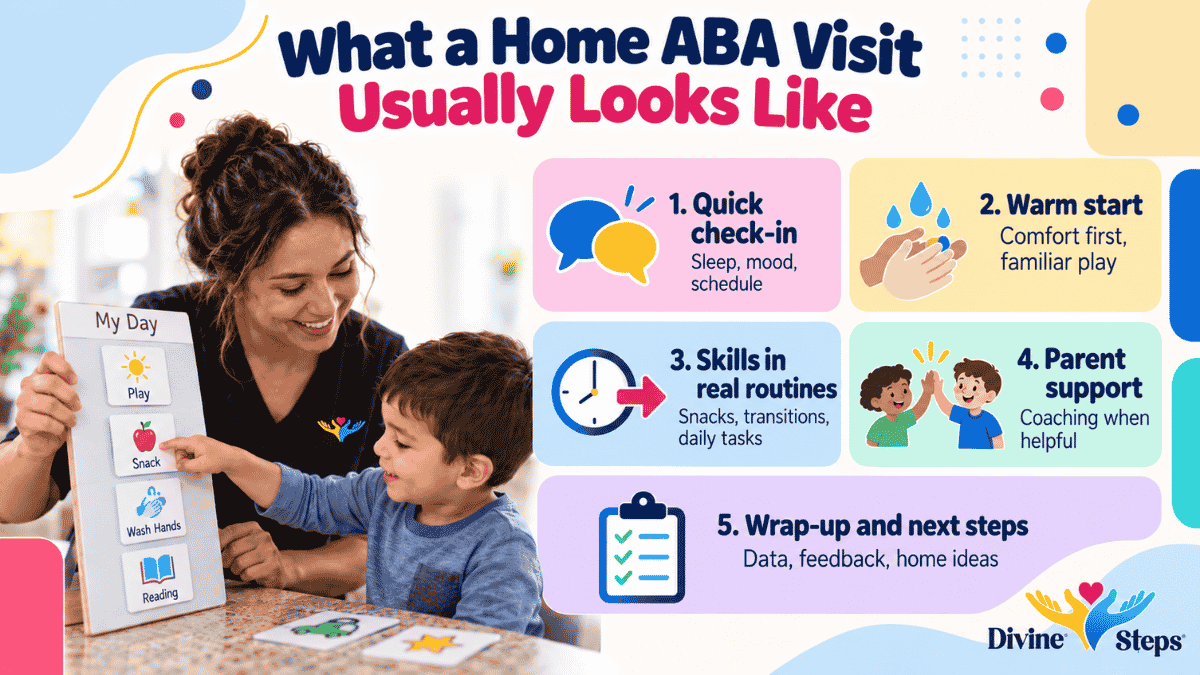
When our RBT arrives at your door, each visit begins with a brief check-in. We review how your child's day went before moving into the session. Early visits focus heavily on building trust, observing habits, and learning what activities bring your child joy.
While our administrative office is on Wilson Boulevard in Arlington, we provide direct care in your living room, bedroom, or kitchen. You might wonder if a Board Certified Behavior Analyst (BCBA) attends every visit. Current Behavior Analyst Certification Board rules require RBT supervision covering at least 5% of monthly service hours, including two face-to-face supervisory contacts.
Your RBT works under this regular oversight while delivering daily care. As an experienced ABA provider in Arlington, VA, we make sure every session starts calm.
Here is what usually happens during the opening minutes:
- Quick caregiver update about sleep, mood, or schedule changes
- Time for your child to settle in and greet the therapist
- Review of current goals targeted for the day
- Selection of familiar activities or preferred items
- Planned skill practice based on the treatment program
The First Part of the Session Helps Your Child Get Comfortable
Pushing straight into challenging tasks right after walking through the door rarely works well. Our RBTs begin by joining in with activities your child already likes. We adapt our interaction style to match your child's energy level so they feel safe and supported.
For a child attending school, the transition home can feel exhausting. Many children in Arlington Public Schools receive behavioral supports during the school day, so the after-school transition is especially important.
We can use that existing after-school routine, like putting away a backpack or grabbing a snack, as a positive start to our time together. If you are exploring ABA therapy in Arlington, Virginia, starting visits with comfort and connection sets a strong foundation.
Early-session activities often focus on comfortable interactions like these:
- Playing with a preferred toy or game together
- Asking for a snack or favorite item
- Moving gently from one activity to another
- Greeting the RBT at their own pace
- Following a familiar, low-stress household routine
Teaching Happens During Play and Real Home Routines
Learning does not need to look like traditional classroom work. Our ABA therapy services use natural interactions and daily habits for teaching. A child might practice asking for help when opening a toy, waiting for a turn during a board game, or washing hands before lunch. Every task connects directly to a goal established in their plan.
Local environments offer great practice grounds. For instance, a child might practice getting shoes and a jacket ready before a trip to, say, for instance, Long Bridge Park in Arlington.
One family we worked with noticed their daughter became calmer and listened better as our therapist built gentle structure into her daily routines. Over several weeks, practicing small tasks inside her normal day helped her master new skills without feeling pressured. This natural approach makes home-based autism therapy in Arlington practical for everyday family life.
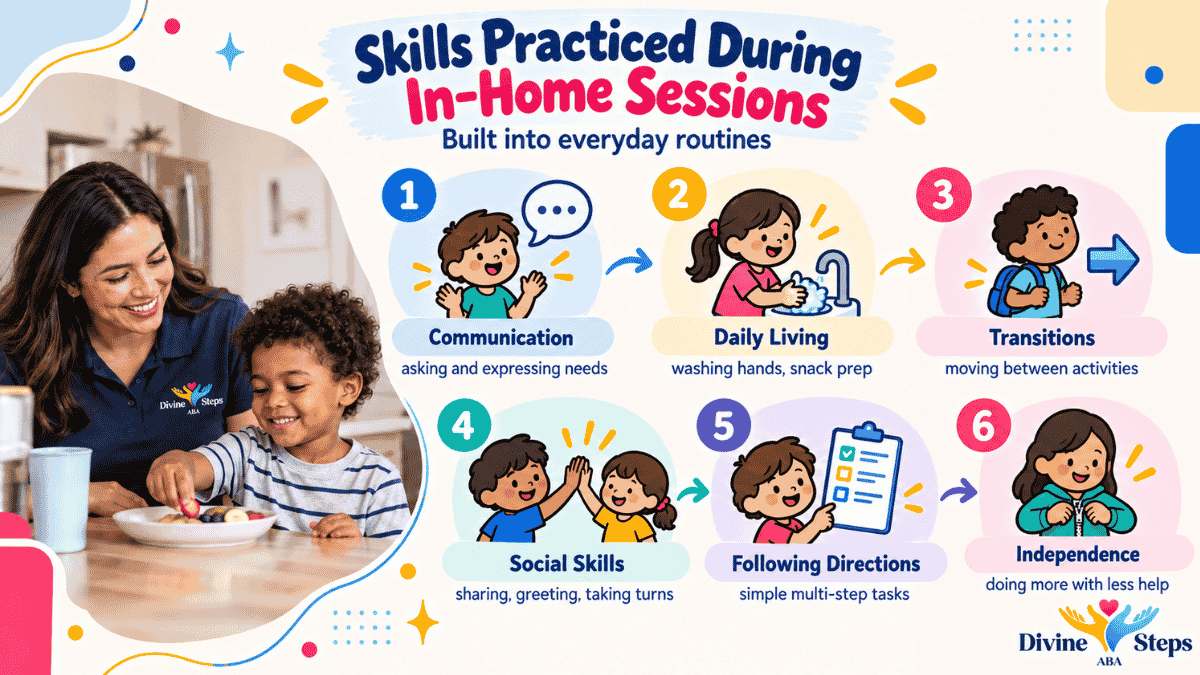
Our sessions target key developmental skills through everyday routines:
- Communication: Asking for items, using words or communication devices, and expressing needs
- Daily living skills: Handwashing, tidying up toys, and preparing snacks
- Transitions: Moving smoothly between play time and structured tasks
- Social interaction: Sharing space, taking turns, and responding to greetings
- Following directions: Completing multi-step requests during familiar games
- Independence: Completing personal routines with less direct guidance
Curious about how a personalized schedule would work in your house? At Divine Steps Therapy, our team can show you how the first week of home sessions fits naturally into your family's daily routines.
Reach out to us to learn more.
Parents Can Be Involved Without Directing Every Minute
Many parents wonder if they need to stand over the therapist or direct every activity during a visit. As caregivers, your role during in-home ABA is to offer context and learn strategies that work for your child. You can step in when coaching is helpful and step back to let your child work directly with the therapist.
We offer parent and family support as a core part of our services because caregiver involvement strengthens progress.
Research shows that parent-implemented interventions produce clear benefits for children with autism. A study combining data from nearly 2,900 kids showed that this approach has a solid, noticeable positive impact on children's progress.
Learning a few simple strategies helps you support your child between our visits without feeling like you have to be a full-time therapist.
Here are ways you can participate during a session:
- Sharing changes in your child's sleep, mood, or weekly schedule
- Watching specific skill exercises when it feels helpful
- Practicing a communication strategy while our therapist offers real-time coaching
- Asking questions during natural breaks in the activity
- Giving the RBT space to build an independent relationship with your child
We End With Data, a Parent Update, and a Plan for Next Time
The final minutes of a visit focus on wrapping up and sharing progress. Throughout the session, our RBT records data on how your child responded to different tasks. Tracking these numbers helps us see patterns and adjust strategies over time. Rather than drowning you in clinical terms, we give you a clear summary of what worked well and what needed extra effort.
We maintain open communication so you always know how your child is performing. When appropriate, we also coordinate with local resources, such as Arlington County Developmental Services, to support goals across different settings.
One Virginia parent shared that our practical tips during these end-of-session chats gave them a confidence boost as they guided their son through social interactions at home.
What to Expect From In-Home ABA Therapy After the Session
Knowing what happens during in-home ABA therapy at the end of a visit helps you stay connected to your child's growth.
- Brief parent update summarizing wins and challenges from the visit
- Data recorded accurately for each targeted goal in the plan
- Useful practice ideas you can try before the next visit
- Time for your questions or observations about recent behaviors
- Plan adjustments made by our clinical team whenever data shows a need

FAQs About What to Expect From In-Home ABA Therapy
Do I need a special therapy room in my house?
Your home does not need a dedicated therapy room. Our in-home services use familiar spaces where your child already plays, eats, or relaxes. The benefits of in-home ABA include a clearer insight into how your child uses skills in everyday family life.
What should I tell the therapist if my child had an unusual day?
A short update at the door helps our team adjust the session. Changes in sleep, illness, school events, or medication can affect participation. Sharing these details lets us adjust our approach so your child feels supported from the start.
What happens if my child needs a break during the session?
We build breaks into every session based on your child's needs. One family told us their child actually grew to love session time after working with a patient therapist who paced activities carefully. We balance skill practice with restful breaks to keep sessions positive.
Start In-Home ABA Therapy in Arlington With a Clear First Step
In-home sessions bring structured support directly into your daily life without replacing the comfort of home. You always know who is working with your child, which skills are being practiced, and how progress is tracked every step of the way.
At
Divine Steps Therapy, we provide in-home ABA services in Arlington with care built around your child’s goals and daily routines. Families can ask what the first visit may look like, review insurance options, and learn what happens before sessions begin. A conversation with our team can clarify the next steps and help you decide whether in-home ABA fits your family.

A preference assessment in ABA helps identify a child’s interests. Parent observations add context to the findings.
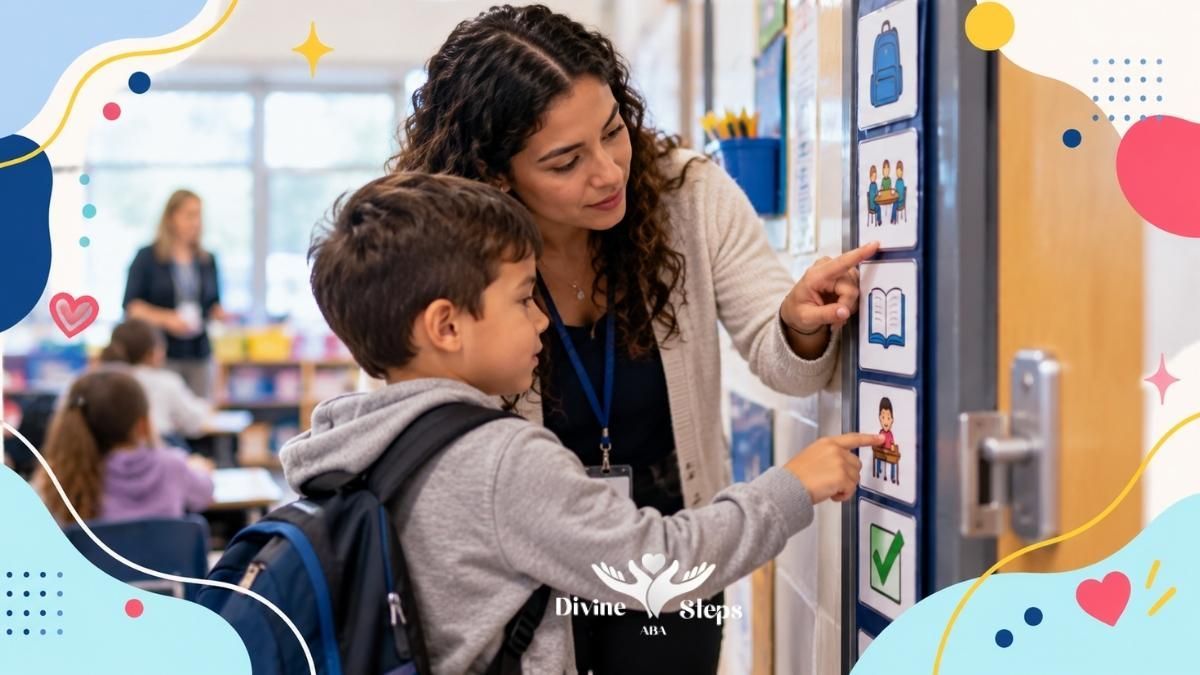
Private ABA in schools needs permission and coverage checks. See what Maryland families should confirm before sessions.
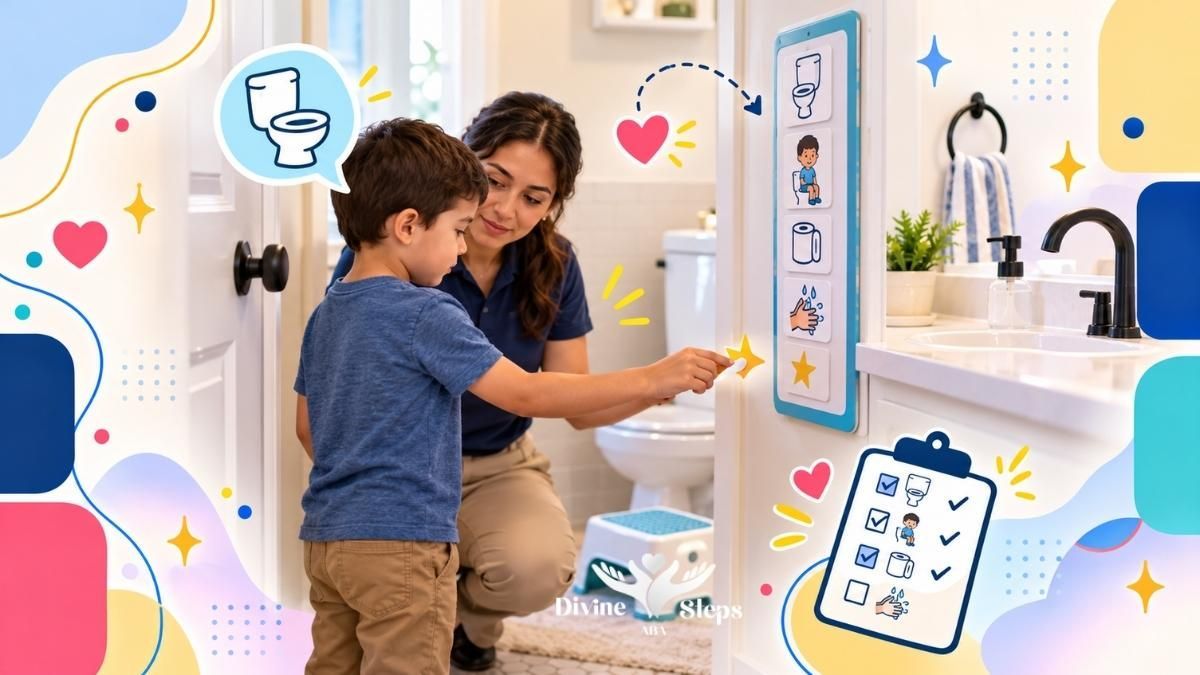
ABA potty training supports bathroom skills at your child's pace. Small goals and caregiver practice shape the routine.